
Iran Sees Deadly Protests Over Inflation as Security Forces Crack Down in Tehran
Iranian security forces fired tear gas shells on Tuesday to disperse protesters in Tehran’s main bazaar, as demonstrations driven by soaring inflation and economic distress spread across the country. According to a human rights NGO, more than two dozen people have been killed in the harshest crackdown Iran has seen in the past three years. Amid the unrest, exiled Crown Prince Reza Pahlavi issued his first public call urging Iranians to take coordinated action.
At Least 27 Killed in Anti-Khamenei Protests
The protests were triggered by worsening economic conditions, with Iran’s currency once again sliding sharply on Tuesday. The Iranian rial hit a fresh record low against foreign currencies, intensifying public anger.
Norway-based Iran Human Rights (IHR) reported that at least 27 protesters have been killed so far, including five minors under the age of 18. Iranian authorities, meanwhile, have acknowledged deaths among security personnel as well, including a police officer who was shot dead on Tuesday.
Protests Begin at Tehran Bazaar, Spread Nationwide
The current wave of unrest began on December 28, when traders shut down Tehran’s historic bazaar—an economic lifeline for the country. The demonstrations later spread to other regions, particularly western Iran, home to Kurdish and Lur minority communities.
This marks the most serious protest movement since the nationwide demonstrations of 2022–2023, which erupted after the death of Mahsa Amini while in custody for allegedly violating Iran’s strict dress code for women.
Exiled Crown Prince Calls for Coordinated Action
Reza Pahlavi, the son of Iran’s last shah and now living in exile, released his first direct appeal to the Iranian public during the ongoing unrest. In a recorded message, he urged people to chant slogans simultaneously on Thursday and Friday, January 8 and 9, at exactly 8 p.m., whether they are on the streets or inside their homes. He said future steps would be announced based on public participation.
Tear Gas, Arrests, and Royalist Slogans
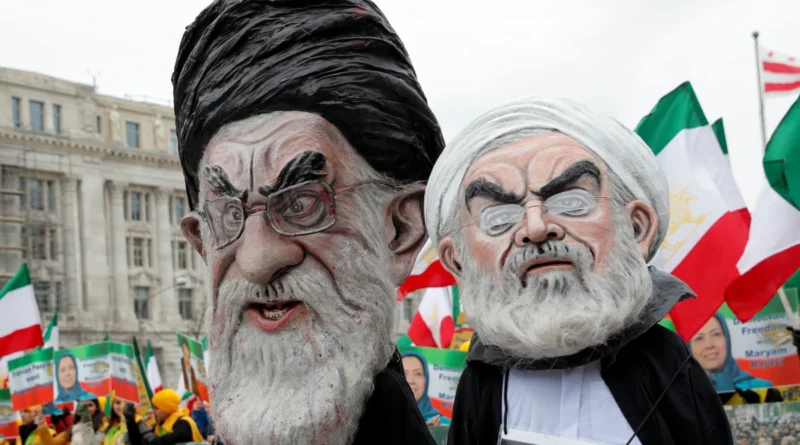
State-affiliated Fars News Agency reported “scattered gatherings” near the bazaar during a midday shutdown, adding that police dispersed protesters who then moved into nearby alleys. Social media videos verified by AFP showed crowds chanting slogans such as “Pahlavi will return” and “Remove Seyyed Ali,” referencing both the pre-1979 monarchy and Supreme Leader Ayatollah Ali Khamenei.
Separate reports by Iran International, citing sources, claimed that Iran-backed Iraqi militias are assisting in suppressing the protests. The outlet alleged that around 800 fighters from Shiite groups—including Kataib Hezbollah, Harakat al-Nujaba, the Sayyid al-Shuhada Brigades, and the Badr Organization—have been deployed. These fighters are reportedly entering Iran under the guise of pilgrimages and are being coordinated from a base linked to Ali Khamenei in Ahvaz.
Footage shared by IHR and the US-based Human Rights Activists News Agency (HRNA) showed protesters chanting “Freedom” and “Shameless” before security forces fired tear gas, filling the streets with smoke. Iran’s official IRNA news agency confirmed that “some” arrests were made but did not provide numbers.
Protests Continue Into a Tenth Day
Demonstrations continued for a tenth consecutive day in other parts of the country. HRNA shared videos from Abdanan in western Iran, showing large crowds marching and chanting slogans like, “This is the final message—the entire system is the target.”
While the scale of the unrest has not yet matched the protests of 2009 or the 2022–2023 movement, it poses a fresh challenge for Iran’s leadership amid a deepening economic crisis and the aftermath of a recent 12-day conflict with Israel in June.
Government Promises Reforms, Warns Protesters
President Masoud Pezeshkian’s government has announced modest monthly cash payments to ease economic pressure. At the same time, the head of Iran’s judiciary warned that there would be no leniency toward what he described as “rioters.”
President Pezeshkian has pledged reforms to stabilize the banking and monetary systems and protect citizens’ purchasing power. The government also unveiled a subsidy reform plan that will replace preferential exchange rates for importers with direct cash transfers to citizens, aimed at making essential goods more affordable. This policy is set