
Safety Under Scrutiny: Half of India’s Commercial Aircraft Flagged for Repeated Technical Issues
Frequent flyers may find this unsettling. Fresh data presented by the Indian government in Parliament suggests that a significant portion of the country’s commercial aircraft fleet is not in perfect technical condition. The figures have raised serious questions about airline maintenance standards and overall aviation safety in India.
According to the information shared in the Lok Sabha, nearly one out of every two aircraft operated by Indian scheduled airlines has been reporting recurring technical snags. These repeated faults, while not always critical on their own, can increase operational risk if left unchecked and have the potential to contribute to major incidents.
Government Review Reveals Alarming Trends
The Ministry of Civil Aviation disclosed that between January last year and early February, technical data from 754 aircraft belonging to six scheduled airlines was closely examined. The findings were concerning: 377 aircraft—almost half of those reviewed—showed a pattern of repeated technical issues.
Among all airlines, IndiGo had the highest number of aircraft reviewed, simply because it operates the largest fleet. As of February 3, 405 IndiGo aircraft were analyzed, and 148 were found to have recurring snags.
However, the most worrying ratio emerged from the Air India Group.
Air India Group Tops the List
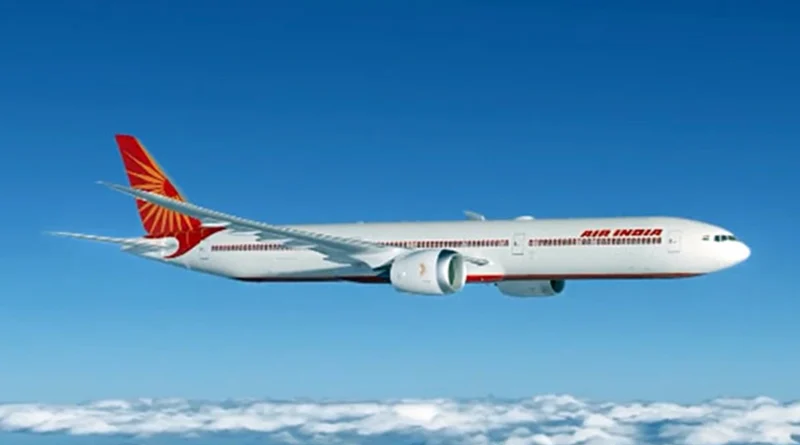
The Air India Group—which includes Air India and Air India Express—showed the highest proportion of aircraft with repeated issues. Out of 267 aircraft examined, 191 were found to have recurring technical problems, translating to nearly 72 percent of the inspected fleet.
Breaking it down further:
- Air India: 137 out of 166 aircraft showed repeated faults
- Air India Express: 54 out of 101 aircraft had similar issues
Other carriers were not immune either. SpiceJet reported recurring snags in 16 of its 43 aircraft, while Akasa Air had 14 aircraft affected out of 32 reviewed.
Airline Response: “Issues Are Largely Non-Critical”
Responding to the data, an Air India spokesperson explained that the higher numbers reflect the airline’s decision to conduct intensive, fleet-wide inspections as a precautionary measure. Speaking to PTI, the spokesperson said that the airline deliberately adopted an “abundance of caution,” which naturally led to more issues being formally logged.
A senior Air India official further clarified that most of the reported problems are low-priority in nature. Aircraft systems are classified from Category A (most critical) to Category D (least critical). In Air India’s case, the majority of issues fall under Category D, which includes items such as:
- Passenger seats
- Tray tables
- Seat-back entertainment screens
The official emphasized that these defects do not compromise flight safety and are unrelated to critical aircraft systems.
DGCA Steps Up Oversight and Inspections
Alongside airline audits, India’s aviation regulator, the Directorate General of Civil Aviation (DGCA), has significantly increased its monitoring activities over the past year.
As part of planned surveillance, the DGCA conducted:
- 3,890 surveillance inspections
- 56 regulatory audits
- 84 foreign aircraft (SOFA) inspections
- 492 ramp inspections
In addition, unplanned enforcement actions included:
- 874 spot checks
- 550 night inspections
These measures reflect a more aggressive regulatory approach aimed at tightening safety compliance across the sector.
Strengthening the Regulator’s Workforce
Addressing concerns over regulatory capacity, the government also acknowledged staffing gaps within the DGCA. In 2022, the regulator had 637 sanctioned technical positions. To strengthen oversight, the organization has since undergone restructuring, increasing the number of approved technical posts to 1,063.
The Bigger Picture
While airlines insist that most recurring snags are minor and non-safety-related, the sheer scale of the findings has sparked debate about maintenance practices, transparency, and passenger confidence. As air travel continues to grow rapidly in India, the spotlight is now firmly on how effectively airlines and regulators can work together to ensure that safety standards keep pace with expansion.