
Borderline Breaking Point: Pakistan Signals “Open War” as Tensions with Afghanistan Spiral
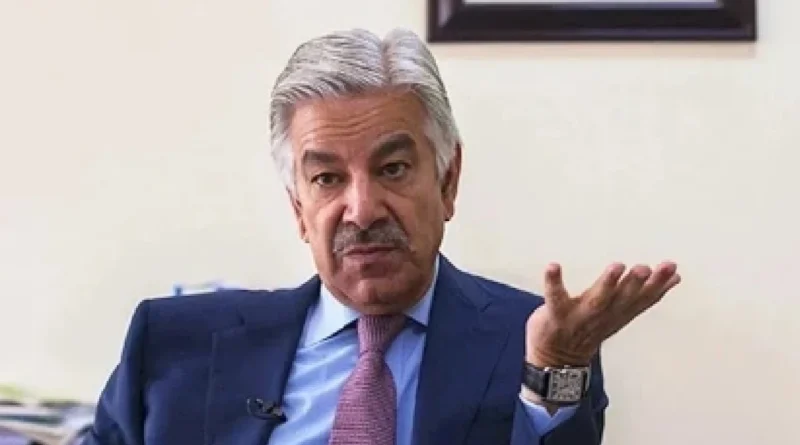
The long-simmering friction between Islamabad and Kabul has reached a boiling point. In a sharp escalation of rhetoric following a series of cross-border skirmishes, Pakistan’s Defense Minister, Khawaja Muhammad Asif, has declared that the nation’s “patience has finally run out,” describing the current state of affairs as nothing short of an “open war.”
The Minister’s remarks come in the wake of a volatile exchange of fire across the Durand Line, marking a significant collapse in the diplomatic relationship between the two neighbors.
From Hope to Hostility
Taking to social media platform X, the Defense Minister expressed deep disillusionment regarding the post-NATO era in Afghanistan. According to Asif, Pakistan had anticipated a new era of regional cooperation following the withdrawal of Western forces.
“Pakistan held onto the hope that after the exit of NATO forces, peace would take root in Afghanistan. We expected the Taliban to prioritize the welfare of the Afghan people and commit to regional stability,” Asif stated.
Instead, Islamabad claims it has faced persistent security threats and cross-border provocations. The Minister’s declaration that a state of “open war” now exists signals a pivot from strategic restraint to a more aggressive military and diplomatic posture.
The Anatomy of the Conflict
The current crisis is the latest chapter in a cycle of retaliatory strikes. While Qatar had previously played a pivotal role in mediating a ceasefire between the two sides, those efforts now appear to be in jeopardy.
Key factors driving the escalation:
- Cross-Border Incursions: Pakistan has frequently accused Afghan-based militants of launching attacks on its soil.
- Retaliatory Air Strikes: Recent precision strikes by Pakistan inside Afghan territory have drawn sharp condemnation from the Taliban administration.
- The Broken Ceasefire: Although the Defense Minister did not explicitly mention the Qatar-mediated truce, the intensity of his rhetoric suggests that the agreement is effectively defunct.
A Region on Edge
The shift from “fraternal neighbors” to “open adversaries” carries heavy implications for South Asian security. The Taliban, for their part, have consistently denied allowing Afghan soil to be used for terrorism, often accusing Pakistan of violating their sovereignty.
With Pakistan now explicitly stating that its patience is exhausted, the international community is watching closely to see if this “open war” rhetoric translates into a sustained large-scale military campaign or remains a high-stakes diplomatic warning.