
India–US Interim Trade Deal Framework Agreed: Tariff Cuts to Boost Exports, Jobs, and Market Access
India and the United States have reached a consensus on the framework of an interim trade agreement, marking a significant step forward in bilateral economic ties. The two countries issued a joint statement confirming the development, under which the United States will reduce retaliatory tariffs on Indian goods from 50% to 18%. This move is expected to unlock access to a massive USD 30 trillion market for Indian exporters, particularly benefiting micro, small and medium enterprises (MSMEs), farmers, and fishermen.
The agreement is projected to give a major push to India’s exports, creating millions of new employment opportunities for women and youth across multiple sectors.
Key Gains for India: Export Surge and Job Creation
Expanded Market Access:
Indian MSMEs, farmers, and fishermen will gain improved access to the vast USD 30 trillion US market.
Major Export Sectors:
Products such as textiles, apparel, leather goods, footwear, handicrafts, home décor, plastics, rubber, organic chemicals, and certain machinery will now face a reduced tariff of 18% in the US.
Future Tariff Relief:
Subject to the successful completion of the interim agreement, both sides plan to eliminate reciprocal tariffs on key Indian exports, including generic medicines, gems and jewellery, diamonds, and aircraft components.
Employment Generation:
With exports expected to rise sharply, the agreement is likely to generate millions of new jobs, particularly for women and young workers, while strengthening the “Make in India” initiative.
Benefits for the United States: Greater Access and Big Orders
India will reduce or eliminate tariffs on a wide range of US industrial goods and agricultural products. These include dried distillers grains, red sorghum used for animal feed, tree nuts, fresh and processed fruits, soybean oil, wine, spirits, and other food products.
In addition, India has set a target to purchase around USD 500 billion worth of US energy products, aircraft, coking coal, precious metals, and technology goods over the next five years. Trade in advanced technologies, including data centre equipment such as GPUs, is also expected to expand.
PM Modi Welcomes the Agreement
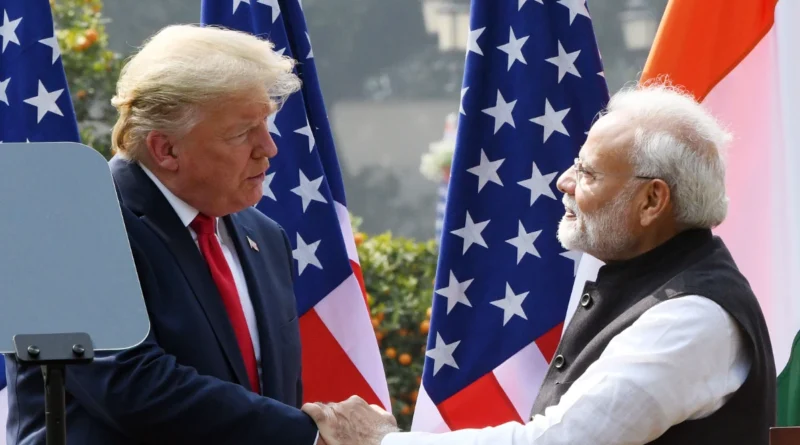
Prime Minister Narendra Modi welcomed the agreement, calling it a positive development between the two nations. He said that the framework for an interim trade deal reflects the strong partnership between India and the US, and thanked US President Donald Trump for his personal commitment to strengthening bilateral ties.
According to the Prime Minister, the India–US trade agreement will create new opportunities for farmers, entrepreneurs, MSMEs, startups, and fishermen, while accelerating the momentum of “Make in India.”
Both countries emphasized that the interim deal reflects a shared commitment to fair and balanced trade, improved market access, and more resilient supply chains. It is being seen as a crucial step toward a comprehensive bilateral trade agreement in the future.
Sensitive Agriculture and Dairy Fully Protected
Commerce and Industry Minister Piyush Goyal stated that the agreement would open up a USD 30 trillion market for Indian exporters while fully safeguarding India’s sensitive agriculture and dairy sectors. He reiterated that protecting farmers’ interests remains a top priority for the government.
US to Cut Tariffs to 18% on Indian Goods
In return for India’s tariff concessions, the United States will reduce tariffs on Indian goods to 18% under existing executive orders. These reductions will apply to sectors such as textiles and garments, leather and footwear, plastics and rubber, organic chemicals, handicrafts, home décor, and select machinery.
Washington has also agreed to remove certain national security–related tariffs on Indian aircraft and aircraft parts imposed earlier on aluminium, steel, and copper. India will receive a preferential tariff quota for automotive parts exports to the US. However, the future treatment of Indian pharmaceutical products will depend on the outcome of ongoing US investigations under Section 232.
Easier Market Access and Fewer Barriers
Both countries have committed to providing preferential and sustained market access to each other in sectors of mutual interest. Clear rules of origin will be established to ensure that the benefits of the agreement primarily accrue to India and the US.
The framework also includes steps to address non-tariff barriers. India has agreed to ease long-standing restrictions on US medical devices, ICT products, and agricultural goods, and will review the acceptance of US or international standards in certain sectors within six months of the agreement’s implementation.
India and the US will also work together to simplify standards, compliance, and conformity assessment procedures. If either side makes future changes to its tariff structure, the other will have the right to review its commitments.
Beyond Trade: Strategic Economic Cooperation
Beyond trade, the two countries plan to deepen cooperation on economic security, supply chain resilience, investment screening, and export controls. With large-scale purchases of US energy, aircraft, technology, and critical materials on the horizon, the interim trade framework signals a stronger, more strategic economic partnership between India and the United States.