
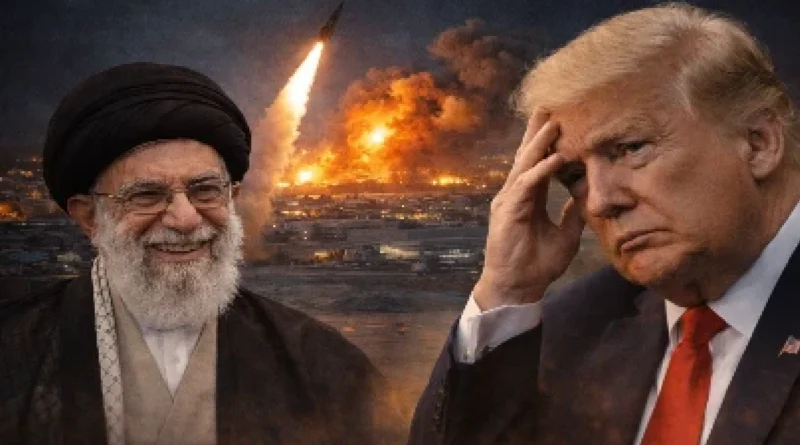
Middle East on Edge Again as Diplomacy and Deterrence Collide
The Middle East once again appears to be standing at a critical crossroads where diplomacy, threats, and military power are deeply intertwined. Amid reports of heavy US strikes on Iran and fears of a devastating Iranian retaliation, a single phone call—from Tehran to Riyadh—has pushed the unfolding crisis back into the global spotlight.
According to Western media reports, Iranian President Masoud Pezeshkian reached out to Saudi Crown Prince Mohammed bin Salman. These reports suggest the call was aimed at preventing war and easing tensions. In the same vein, US President Donald Trump has claimed that Iran has been repeatedly trying to make contact to avoid a conflict, a narrative that further strengthens the Western perspective.
However, when this development is viewed through the lens of regional analysts and Iran specialists, a different picture begins to emerge. Experts argue that while such a phone call is not unusual, its purpose may not have been to seek forgiveness or negotiate a compromise. Instead, it may have been intended to deliver a firm and unambiguous message.
The message, according to these observers, is clear: Iran does not want a war, but if a conflict is imposed on it—or if Arab nations allow their territory or military bases to be used against Iran—Tehran will consider them adversaries as well. In effect, Iran appears to be signaling to Arab countries that neutrality is the only real guarantee of their security.
Meanwhile, the standoff between the United States and Iran has taken on a sharper edge. President Trump has once again issued warnings of a major offensive, stating that a massive US naval fleet is moving toward Iran, led by the aircraft carrier Abraham Lincoln. His rhetoric, which includes references to Venezuela and the need for swift, decisive action, suggests that Washington remains firmly committed to its pressure strategy.
Trump has also cited “Operation Midnight Hammer,” claiming that key Iranian nuclear facilities were severely damaged within minutes, and warning that any future strike could be far more destructive. Together, these statements underscore the growing intensity of the confrontation—and the fragile balance between restraint and escalation in the region.