
Trump Praises Iran for Halting Mass Executions, Signals Cautious Wait-and-Watch Approach
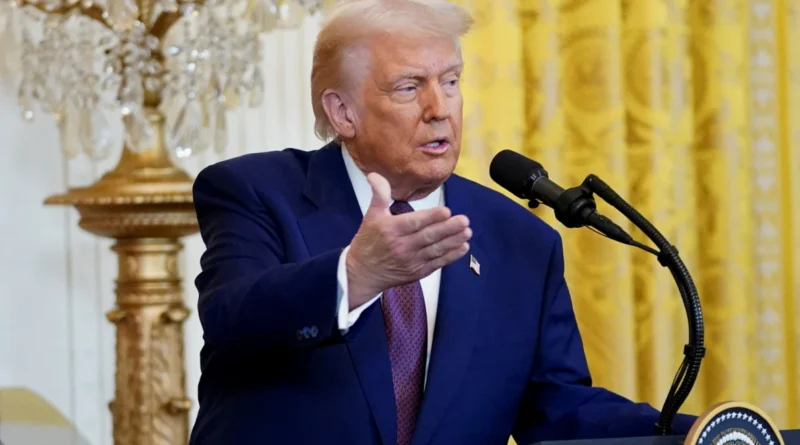
US President Donald Trump made a surprising statement on Friday, publicly commending Iran’s leadership for suspending the planned execution of more than 800 people. Calling the move a “positive step,” Trump said it had a “major impact” and deserved recognition.
Speaking to reporters on the White House South Lawn before leaving for his Mar-a-Lago estate in Florida, Trump remarked that Iran had called off executions scheduled for the following day. He said he respected the decision, especially given the scale involved. The comments came shortly after Trump had warned that the United States could consider military action if the situation in Iran escalated further.
Shift in Tone and Social Media Message
Trump’s remarks marked a noticeable departure from his earlier hardline stance. Reiterating his point, he told journalists that Iran had backed away from executing hundreds of people and that he viewed this as an important development. On his social media platform, he posted a brief “Thank you!” while claiming that the halted executions—reportedly involving individuals some believe to be political prisoners—had been avoided.
When asked whether his earlier suggestion that “help is on the way” for Iran still stood, Trump responded cautiously, saying, “We’ll see.” He denied being influenced by Arab or Israeli leaders, stressing that the decision reflected his own judgment. However, Trump did not disclose the sources behind his information, raising questions about how the execution halt was verified.
White House Monitoring Situation Closely
White House Press Secretary Karoline Leavitt echoed Trump’s position during a briefing, stating that the administration was “closely monitoring developments in Iran.” While describing the pause in executions as encouraging, she warned that restarting them would lead to “serious consequences.” She emphasized that all options remain on the table—language consistent with Trump’s earlier warnings this week.
These statements followed Trump’s comment earlier in the week that killings of protesters appeared to have stopped, prompting him to delay immediate action in favor of observing how events unfold. The overall message suggests a cautious, wait-and-see strategy, with military intervention appearing less imminent for now.
Protests Sparked by Economic Crisis
The unrest in Iran began on December 28 at Tehran’s Grand Bazaar, triggered by a sharp collapse of the Iranian rial amid multiple crises, including severe water shortages, electricity outages, rising unemployment, and soaring inflation. What started as economic protests quickly expanded into nationwide demonstrations challenging the authority of Supreme Leader Ayatollah Ali Khamenei and Iran’s theocratic system.
Iranian authorities responded with a crackdown, shutting down the internet for a week and suppressing demonstrations. Although daily life in Tehran now appears largely normal and no fresh protests have been reported recently, the US-based Human Rights Activists News Agency claimed that by Friday, at least 2,797 people had been killed—a figure it says continues to rise. There have been no official reports confirming unrest in other regions.
International Reactions and Warnings
Amid the uncertainty, the Indian government urged its citizens in Iran to leave the country due to what it described as an “unstable security situation,” while assuring continued monitoring and assistance. Meanwhile, exiled Iranian Crown Prince Reza Pahlavi called on Trump to stand by his promises, describing him as a leader who keeps his word and advocating for US involvement.
Trump’s relatively optimistic assessment contrasts sharply with reports of widespread repression and thousands of deaths, highlighting a gap between US political statements and accounts from human rights groups. As protests subside, the episode underscores the fragile balance between economic hardship, state control, and mounting international pressure on Iran.