
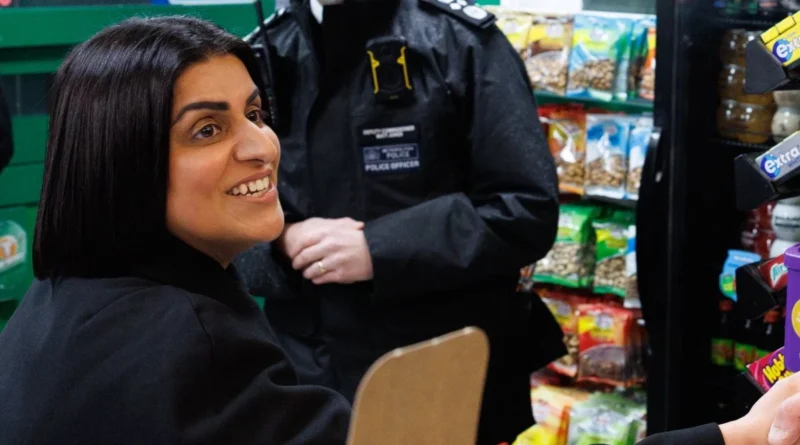
Is Shabana Mahmood Poised to Make History? Labour Leadership Speculation Grows as Starmer Faces Turbulence
UK Prime Minister Keir Starmer is navigating what many observers describe as the most turbulent chapter of his political career. While there are no allegations of personal misconduct clouding his leadership, a series of contentious political decisions have unsettled Westminster and triggered fresh whispers about the future direction of the Labour Party.
At the center of mounting speculation is Home Secretary Shabana Mahmood, whose name is increasingly being mentioned as a potential successor should Starmer’s position weaken further. If she were to rise to the top job, Mahmood would become the first Muslim Prime Minister in British history—a milestone that would mark a profound shift in the country’s political narrative.
A Leadership Under Pressure
Starmer’s current difficulties stem less from scandal and more from timing and strategy. The decision to bring Peter Mandelson back into Labour’s internal leadership structure came just as renewed attention around the Epstein files was dominating headlines. Critics argue that the move intensified scrutiny and stirred unease within party ranks at a particularly sensitive moment.
With unrest inside the party showing little sign of subsiding, attention has inevitably turned toward the question of succession. While no formal leadership contest is underway, the conversation in political circles has already begun—and Mahmood’s name features prominently.
Who Is Shabana Mahmood?
Shabana Mahmood has represented Birmingham Ladywood since 2010 and is widely regarded as one of Labour’s most capable and strategically astute figures. A trained barrister, she entered Parliament the same year as one of the party’s first Muslim women MPs. Her rise through Labour’s ranks was swift, earning her a place in the Shadow Cabinet early in her parliamentary career.
Over the years, Mahmood has held several senior shadow portfolios, including Shadow Justice Secretary and Shadow Education Secretary. Colleagues often describe her as disciplined, composed, and measured—qualities that have bolstered her reputation as a steady presence within the party.
Following Labour’s return to power, Mahmood was appointed Home Secretary in 2025, placing her in charge of one of the government’s most demanding departments. Her responsibilities span policing, national security, immigration policy, and public order—areas that are politically sensitive and frequently contentious.
Balancing Identity and Policy
Born in Birmingham to Pakistani immigrant parents, Mahmood has often spoken about her upbringing in a working-class household and the central role education played in shaping her journey. She has also openly reflected on her identity as a British Muslim and how it has informed her public service.
Yet in recent years, her policy positions—particularly on immigration—have taken on a firmer tone. Just last week, amid opposition to proposed changes to permanent settlement rights, Mahmood defended the government’s reforms as “reasonable,” signaling her willingness to adopt a more stringent approach in a politically charged arena.
A Defining Moment for Labour?
For now, Keir Starmer remains Prime Minister, and leadership speculation remains just that—speculation. However, the undercurrents within Westminster suggest that Labour is entering a period of introspection about its future direction and public standing.
Should circumstances shift dramatically, Shabana Mahmood stands out as a figure with both the experience and political credibility to step forward. Whether she ultimately does so will depend not only on Starmer’s fortunes, but on how the party chooses to navigate a moment defined by uncertainty, internal tension, and high expectations.
In the fluid world of British politics, today’s speculation can quickly become tomorrow’s reality.