
Japan PM Sanae Takaichi to Dissolve Lower House, Calls Snap Election to Seek Public Verdict
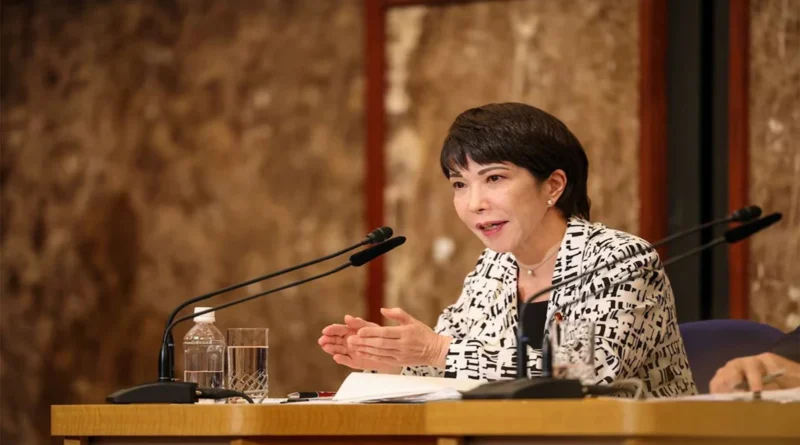
Japan’s Prime Minister Sanae Takaichi has announced that she will dissolve the lower house of parliament this week and call a sudden general election, triggering a swift and high-stakes national campaign. Speaking at a press conference in Tokyo, Takaichi said the lower house would be dissolved on January 23, formally setting the stage for early polls.
“As prime minister, I have decided to dissolve the lower house of parliament on January 23,” she told reporters, explaining that the move was intended to give voters a direct say on whether she should continue in office. Describing the snap election as a clear test of her leadership, Takaichi said Japan is currently facing mounting economic pressures and serious regional security challenges, making public endorsement more important than ever.
“The question is simple,” she said. “Is Sanae Takaichi fit to serve as prime minister? I want the people to decide.”
Seeking a Stronger Mandate
By dissolving parliament ahead of schedule, Takaichi is aiming to secure a stronger mandate that would allow her to push ahead with major reforms. A decisive victory would help her advance key policy initiatives and reduce resistance both within parliament and inside her own party.
Japan’s first woman prime minister has pledged far-reaching changes, including economic restructuring, upgrades to the country’s defence capabilities, and a more assertive stance on regional and international issues.
Opposition parties, however, have sharply criticised the decision, accusing Takaichi of using an early election to sidestep difficult questions in parliament. They argue that several contentious policy matters should have been debated thoroughly in the legislature rather than rushed to the electorate.
A High-Risk Political Gamble
Calling a snap election is widely seen as a bold but risky move. A strong result would significantly strengthen Takaichi’s grip on power and accelerate her reform agenda. On the other hand, a disappointing outcome could embolden political rivals and weaken her government, potentially destabilising her leadership at a critical moment for the country.
As Japan braces for an unexpectedly early vote, the election is shaping up to be a defining moment for Takaichi’s premiership and the direction of the nation.