
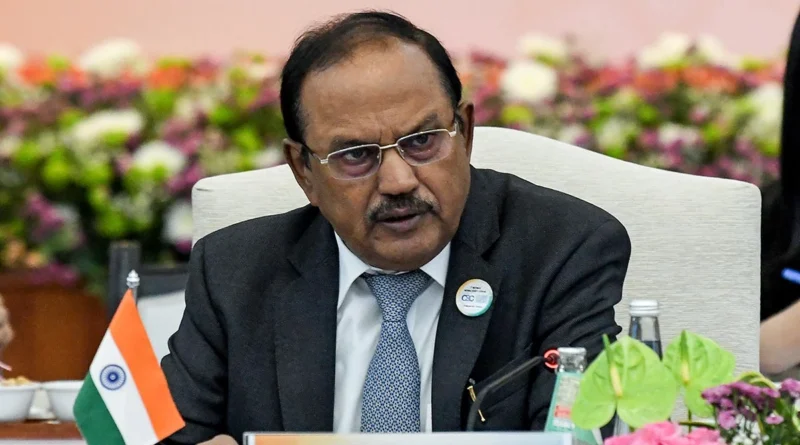
India–Canada Ties Show Signs of Thaw as Ajit Doval’s Visit Reopens Channels of Trust and Security Cooperation
After months of visible strain, India–Canada relations appear to be entering a phase of cautious reset. At the heart of this shift is the recent visit of India’s National Security Advisor Ajit Doval to Canada, a trip that has quietly but decisively reshaped the tone of engagement between the two countries. More than a routine diplomatic exchange, the visit signaled a renewed focus on trust-building, security cooperation, and pragmatic problem-solving.
During his stay in Ottawa, Doval held multiple rounds of discussions with Canada’s top security and policy officials. These talks resulted in agreement on a joint action plan aimed at strengthening cooperation in security and law enforcement. Both sides committed to expanding direct institutional contacts, deploying liaison officers, and ensuring faster and more effective intelligence sharing between their respective agencies.
Security at the Core of Renewed Engagement
The discussions covered a broad spectrum of shared security challenges, including:
- Cybersecurity threats
- Organized crime
- Drug trafficking
- Illicit financial flows
- Immigration-related fraud
- Transnational criminal networks
A strong emphasis was placed on tackling crime that exploits new technologies and digital platforms, with both countries agreeing that such threats can no longer be addressed in isolation.
Crucially, Canada also conveyed that its territory would not be allowed to be used for violent separatist activities. This assurance holds particular significance for India, which has long expressed concern over the activities of Khalistani elements operating from Canadian soil.
From Diplomatic Chill to Measured Re-engagement
Relations between New Delhi and Ottawa had sharply deteriorated following the 2023 killing of a Khalistani extremist, which triggered a spiral of accusations, counter-allegations, and diplomatic friction. Trust eroded, communication narrowed, and bilateral ties entered a prolonged freeze.
Against this backdrop, Doval’s visit is widely seen as a confidence-restoring move—not dramatic or headline-driven, but deliberate and outcome-oriented. The signals are now clear: both countries want to move beyond confrontation and focus on workable cooperation, even if differences persist.
Beyond Security: A Broader Reset in Sight
Encouragingly, the renewed engagement is not expected to remain limited to security alone. There is growing optimism that cooperation could regain momentum in areas such as:
- Trade and investment
- Technology and innovation
- Energy
- Education and people-to-people ties
The proposed visit of the Canadian Prime Minister to India is being viewed as part of this broader recalibration and could further consolidate the emerging understanding between the two sides.
Why Doval’s Visit Matters Strategically
The significance of Ajit Doval’s Canada visit goes far beyond formal agreements. Its impact is visible on three critical levels.
First, it underlines India’s uncompromising stance on national security. Whether the challenge is cyber threats or separatist networks, India is now engaging partners with clarity, firmness, and a results-driven approach.
Second, it sends a clear message to extremist elements. For years, some groups believed that operating from foreign soil under the guise of political expression gave them immunity. When host countries themselves commit to security cooperation and treat such activities as law-and-order issues, that space rapidly shrinks. Doval’s visit delivered this message quietly—but effectively.
Third, it reflects the Modi government’s broader foreign policy philosophy, which prioritizes tangible outcomes over emotional rhetoric. In the past, India was often seen as hesitant in pressing its security concerns. That perception has changed. Today, India seeks friendship—but not at the cost of its core interests.
A Model of Pragmatic Diplomacy
A defining feature of India’s foreign policy in recent years has been its refusal to see relationships in absolute terms—neither all-or-nothing nor friend-or-foe. Dialogue continues even amid disagreements; cooperation advances wherever possible. This pragmatic approach has helped revive partnerships that once appeared stalled or strained.
The emerging new chapter with Canada fits squarely within this framework. Both nations are democracies, multicultural societies, and natural partners in sectors such as education, technology, agriculture, and energy. Prolonged tension served neither side’s interests.
The Road Ahead: Cautious but Promising
From a strategic standpoint, India has a strong interest in maintaining a reliable security partner in North America, especially as crime, extremism, and radicalization increasingly transcend borders. International cooperation is no longer optional—it is essential.
Ajit Doval’s style also deserves note. Known as a strategist who speaks little but delivers results, his Canada visit stayed away from public theatrics and focused squarely on outcomes—an approach that appears to be paying dividends.
The road ahead will not be effortless. Trust is rebuilt gradually, not overnight. Yet when the direction is right, distances narrow. If upcoming high-level visits succeed and cooperation translates into action on the ground, India–Canada relations could well enter a phase of renewed strength.
A Glimpse of a New India on the Global Stage
Ultimately, this visit was not just about resetting ties with Canada. It offered a glimpse of a new India in global diplomacy—one that is courteous yet firm, open to dialogue yet vigilant about its interests. In today’s complex international environment, this balance of restraint and resolve may well be India’s greatest strategic asset.