
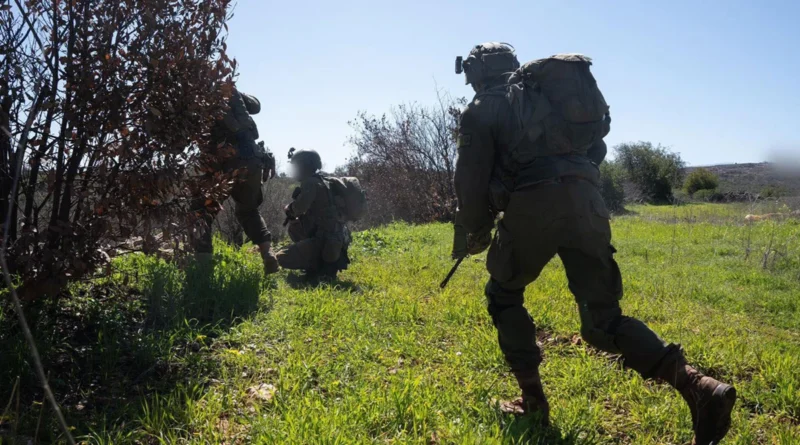
Israel Prepares to Isolate Part of Lebanon, Launches Major Military Action
Energy markets remain volatile, with global oil prices fluctuating and concerns growing over potential disruptions to shipping through key routes such as the Strait of Hormuz. These uncertainties are influencing economic decisions worldwide. At the same time, security alliances are being tested, as regional powers strengthen defensive measures while major global powers closely monitor signs of further escalation in tensions.
The conflict involving Iran across multiple fronts in the Middle East continues to intensify. Ongoing attacks, rising casualties, and growing global economic repercussions have made the situation increasingly unstable and unpredictable. Conflicting statements from Washington, D.C. and Tehran have added to the confusion, as both sides are presenting very different narratives about the possibility of negotiations. While the United States has hinted at diplomatic efforts, Iran has dismissed such claims, further deepening the atmosphere of mistrust. Beyond direct military actions, the broader consequences are becoming increasingly visible. Energy markets remain volatile, global oil prices are fluctuating, and fears of disruptions to shipping through crucial routes such as the Strait of Hormuz are influencing economic decisions worldwide. At the same time, security alliances are being tested as regional powers strengthen defensive measures and global powers closely monitor signs of further escalation.
Israel’s Focus on Southern Lebanon
Bezalel Smotrich, the Finance Minister of Israel, has suggested that Israel should extend its border with Lebanon up to the Litani River in southern Lebanon. At the same time, Israeli forces have reportedly intensified military operations in the area, including bombing bridges and destroying homes. Smotrich’s remarks are considered one of the clearest statements so far from a senior Israeli official regarding the possibility of occupying parts of Lebanese territory. Speaking on an Israeli radio program, he said that the military campaign in Lebanon should end with a “completely new reality,” including decisive action against Hezbollah and a potential shift in Israel’s borders. He stated that, in his view, the new Israeli boundary should extend to the Litani River.
Smotrich, leader of a small right-wing party within the government of Benjamin Netanyahu, is known for making statements that often go beyond official Israeli policy. Earlier this month, Israel’s Defence Minister Israel Katz also hinted at the possibility of territorial consequences for Lebanon if Hezbollah is not disarmed.
Reports indicate that Israeli forces have destroyed all bridges over the Litani River in an effort to cut off connections between southern and northern Lebanon. Roads and smaller bridges have also been damaged. Hanna Amil said residents now rely on Lebanese Army convoys once or twice a week to bring in essential supplies. Smotrich’s statement has sparked strong reactions in Lebanon, and analysts warn that any attempt by Israel to push its border to the Litani River could significantly prolong the conflict.
Growing Humanitarian Concerns
Humanitarian concerns are also increasing. Large-scale displacement in conflict-affected areas, particularly in Lebanon and parts of Iran, is placing additional pressure on already strained systems. Attacks on infrastructure, including power networks and urban areas, are increasingly affecting civilian life.
India Reviews the Situation
Meanwhile, Rajnath Singh, India’s Defence Minister, has called a key meeting on Tuesday morning to review the evolving situation in West Asia. Later in the day, Narendra Modi is expected to address the Rajya Sabha, where he may discuss the ongoing conflict and its potential impact on India’s energy security.
Israeli Strike in Lebanon
In a separate development, at least two people were killed and five others injured in an Israeli strike on the town of Bechamoun, located south of Beirut. Lebanese state media also reported that Israeli forces carried out at least seven overnight raids in southern parts of the capital.