
US–Iran Tensions Escalate: Fighter Jets Deployed as Nuclear Talks Show Fragile Progress
As diplomatic efforts inch forward, military posturing is accelerating. In a striking show of force, the United States has dispatched more than 50 fighter jets to the Middle East amid simmering tensions with Iran. The deployment comes on the heels of newly concluded nuclear discussions in Geneva—talks that officials from both sides cautiously described as showing “progress,” even as deep mistrust lingers beneath the surface.
Diplomatic Signals, Strategic Suspicion
According to American and Iranian officials, the latest round of negotiations in Geneva produced some forward movement. However, Washington remains laser-focused on a single objective: ensuring that Tehran does not acquire nuclear weapons capability.
The renewed friction follows a volatile regional backdrop, including heightened tensions involving Israel and a brief but intense 12-day conflict that rattled the region. The United States has reiterated that preventing Iran from developing nuclear weapons is a non-negotiable red line.
Speaking to Fox News, U.S. Vice President JD Vance acknowledged that while discussions were constructive in parts, major sticking points remain. He noted that although both sides agreed to meet again, Iran appears reluctant to accept the “red lines” laid out by President Donald Trump.
“In some ways, it went well—they agreed to reconvene,” Vance said. “But it was also clear that the President has established certain red lines that the Iranians are not yet prepared to accept or act upon.” He emphasized that Washington’s central goal remains unchanged: blocking Iran’s path to nuclear weapons.
Military Moves in a Fragile Moment
The U.S. decision to send over 50 fighter aircraft to the region underscores the seriousness with which Washington views the situation. While officials have framed the move as precautionary and defensive, the timing—immediately after nuclear negotiations—adds a layer of strategic signaling.
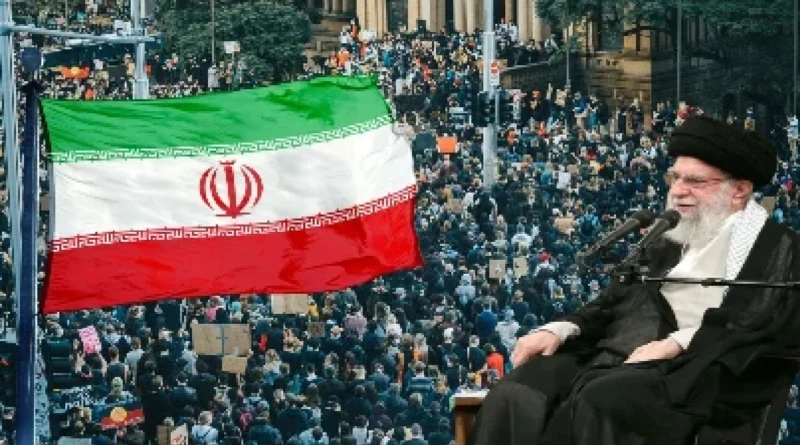
This buildup also unfolds against the backdrop of internal unrest within Iran, where the government has faced criticism over its handling of protests. The broader geopolitical landscape remains tense, with Washington balancing diplomacy and deterrence in equal measure.
Iran’s Rare Warning in the Strait of Hormuz

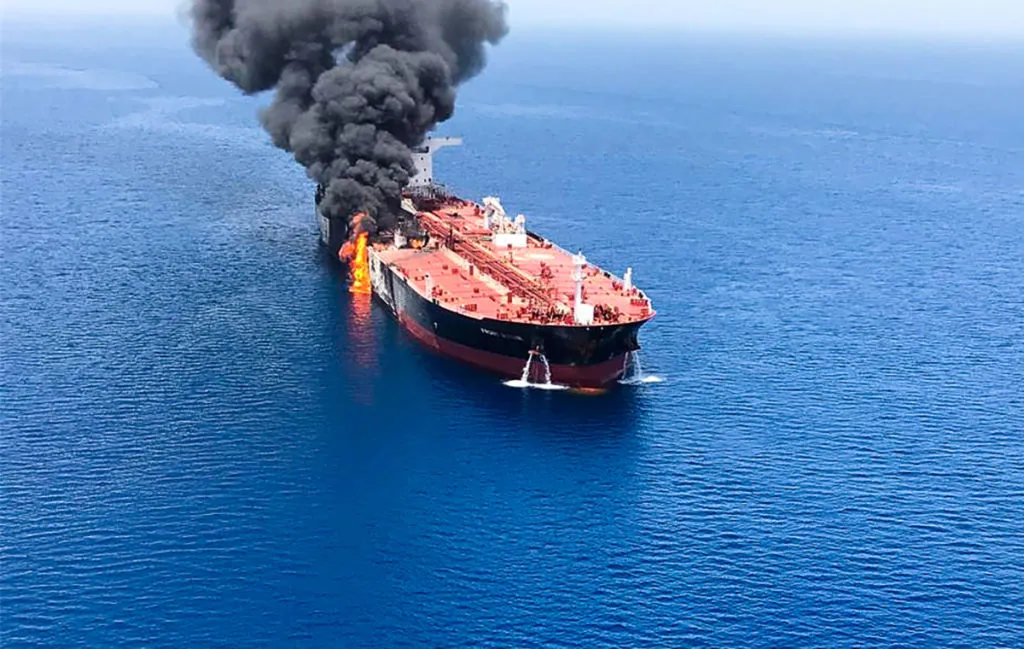
In a dramatic parallel development, Iran announced a temporary closure of the strategically vital Strait of Hormuz for live-fire military drills. The move is widely seen as a calculated demonstration of strength.
The Strait of Hormuz is one of the world’s most critical maritime chokepoints, with nearly 20% of global oil shipments passing through its narrow waters. Any disruption—even temporary—sends ripples through global energy markets.
Notably, this marks the first time Iran has declared a closure of the waterway since the United States began repositioning military assets and signaling increased readiness in the region. The announcement coincided with another round of indirect talks in Geneva concerning Tehran’s controversial nuclear program.
A Region on Edge
The current situation reflects a delicate balancing act: cautious diplomacy unfolding under the shadow of military escalation. While both Washington and Tehran publicly acknowledge incremental progress at the negotiating table, their actions suggest preparation for less optimistic outcomes.
For now, talks remain open, jets remain deployed, and one of the world’s most vital shipping lanes has briefly become a stage for geopolitical signaling. Whether this chapter leads to a breakthrough—or a deeper crisis—may depend on how both sides navigate the thin line between deterrence and provocation.